
ADVERTISEMENT
Slow living routines can change your life by helping you feel more present and balanced. When you slow down, you give yourself space to breathe, reflect, and enjoy each moment more fully. Adopting Slow Living Routines allows you to reconnect with what truly matters in your daily life.
Living at a calmer pace helps reduce stress and brings more happiness to simple moments. Appreciating small details, like a quiet morning or a mindful break, becomes easier when you embrace Slow Living Routines. These habits encourage a healthier relationship with time and with yourself.
By choosing to slow down, you create room for peace, clarity, and joy. With Slow Living Routines, daily life feels lighter and more intentional. Take a moment to explore these practices and see how small changes can gently transform your routine.
Understanding Slow Living
Understanding slow living is about finding joy in simplicity. It encourages us to focus on the present moment rather than rushing through our days. By slowing down, we can appreciate the little things in life that often get overlooked.
Slow living promotes a lifestyle that values quality over quantity. This means enjoying fewer but more meaningful experiences. Whether it’s savoring a meal, spending time with loved ones, or connecting with nature, slow living helps us create deeper connections in our lives.
Incorporating slow living into your routine can lead to a happier mindset. It teaches us to be mindful and intentional in our choices. By embracing slow living, we can reduce stress and cultivate a more fulfilling life.
Benefits of Slow Living Routines
The benefits of slow living routines are numerous and rewarding. First, they help reduce stress by allowing us to take a break from our busy lives. With slow living, we learn to enjoy each moment without feeling rushed or overwhelmed.
Another advantage is improved focus. When we slow down, we can really pay attention to what we are doing. This means better productivity and a greater sense of accomplishment in tasks we take on. We can truly engage with our work and relationships.
Finally, slow living routines encourage better health. By prioritizing rest, mindfulness, and connection with nature, we can boost our mental and physical well-being. This leads to a happier, more balanced life overall.
How to Create Your Slow Living Routine
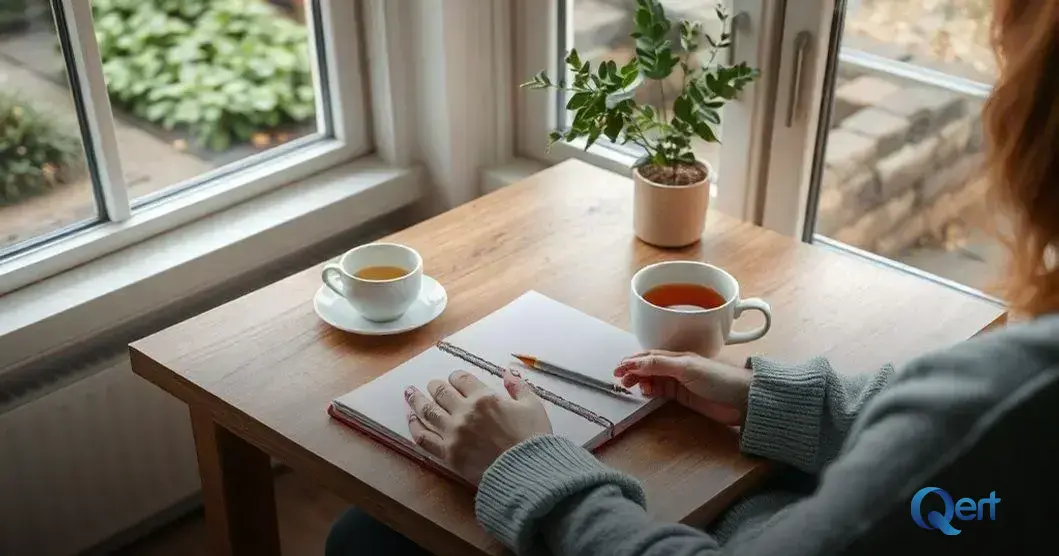
Creating your slow living routine starts with setting aside time for yourself. Begin by identifying activities that bring you joy and relaxation. This could be enjoying a warm cup of tea, reading a good book, or taking a walk in nature. Carving out even just a few moments a day can make a big difference.
Next, prioritize your schedule to include these relaxing activities. You can create a simple plan that allows you to slow down during the day. For example, limit the time spent on screens and add breaks to reconnect with yourself. This helps you enjoy your tasks instead of rushing through them.
Lastly, stay flexible and open to change. Your slow living routine can evolve over time, so listen to your needs. If something isn’t working, it’s okay to adjust. The goal is to find a routine that helps you feel calm and happy in your life.
Morning Rituals for Slow Living
Morning rituals for slow living can set a positive tone for your day. Start by waking up a bit earlier than usual, so you have time for yourself. Take a moment to stretch or practice deep breathing. This helps you feel relaxed and prepares you for the day ahead.
Next, enjoy a nourishing breakfast. Instead of grabbing something on the go, take time to make a meal you love. Whether it’s oatmeal with fruits or a warm cup of herbal tea, savor each bite. Eating mindfully allows you to appreciate the flavors and feel grateful for your meal.
Finally, consider adding a few moments for reflection. This could be journaling about your thoughts, setting intentions for the day, or simply sitting quietly. These practices help clear your mind and can boost your mood. Embracing these morning rituals makes for a peaceful start, inviting slow living into your routine.
Mindful Eating Practices
Mindful eating practices help us enjoy our food and appreciate each meal. Start by turning off distractions like the TV or your phone when you eat. This way, you can focus on the taste, texture, and aroma of your food. Taking the time to really notice these qualities enhances your dining experience.
Another important aspect is to eat slowly. Chewing your food thoroughly allows you to savor each bite. It also helps your body digest better and can prevent overeating. By being present and taking your time, you give your mind and body a chance to connect with what you’re consuming.
Lastly, practicing gratitude while eating can deepen your mindful experience. Before starting your meal, take a moment to appreciate the effort that went into preparing it. Recognizing where your food comes from and being thankful can make your meal feel more special. This practice fosters a positive attitude towards eating and life.
Incorporating Nature into Daily Life
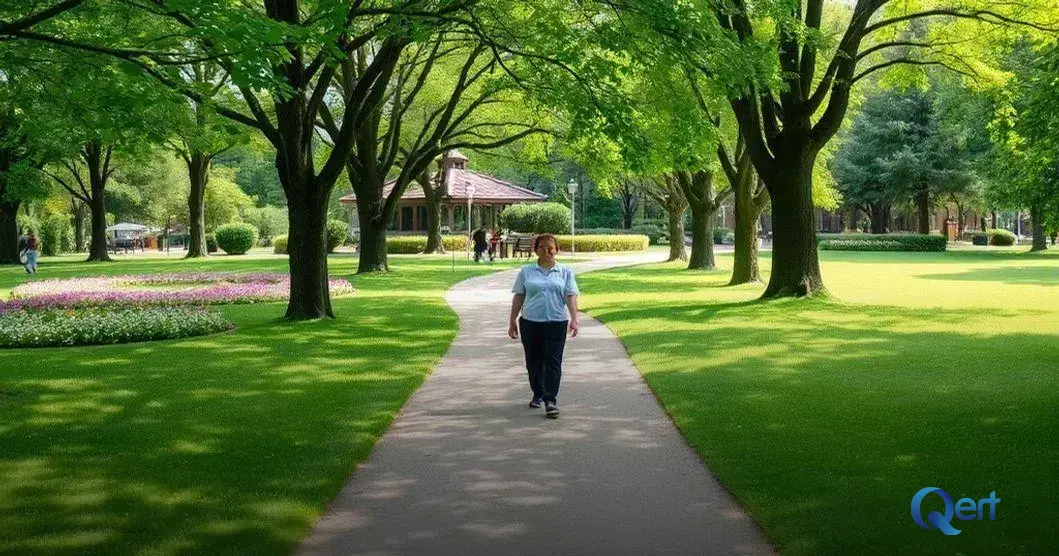
Incorporating nature into daily life can greatly enhance your slow living routine. Start by spending time outdoors, even if it’s just for a short walk. Being in nature helps clear your mind and boosts your mood. It allows you to connect with the world around you and appreciate its beauty.
Bringing nature inside is another effective way to enjoy its benefits. Consider adding indoor plants to your home. They not only improve air quality but also create a calming atmosphere. Taking care of these plants can also become a relaxing hobby, connecting you further with nature.
Lastly, try to engage in outdoor activities that you love. Whether it’s gardening, hiking, or simply sitting in a park, these moments help you recharge. Regularly incorporating nature into your life reminds you to slow down and enjoy the present moment, making your daily routine feel more vibrant and fulfilling.
How to Declutter Your Space
Decluttering your space is a great way to embrace slow living. Start by choosing one area to focus on, like a room or a closet. Remove everything from that space and only put back what you truly need or love. This helps you see how much you have and encourages you to keep only the essentials.
As you sort through your items, ask yourself if they serve a purpose or bring you joy. If something doesn’t contribute to your happiness or usefulness, consider donating or recycling it. This not only reduces clutter but also gives your items a chance to serve someone else.
Finally, once you have cleared your space, create a system to keep it organized. Small changes like using bins for storage or keeping surfaces clear can make a big difference. Set aside a few minutes each day to tidy up, so your space remains peaceful and ready for your slow living routine.
Time Management for Slow Living
Time management for slow living focuses on making your days more meaningful and less rushed. Start by prioritizing your tasks. Identify what is truly important and what can wait. Writing down your top three tasks for the day can help you stay focused and reduce feelings of overwhelm.
Next, create a balanced schedule that includes time for both work and relaxation. Block out moments in your day for breaks, hobbies, or simply enjoying nature. By allowing yourself these breaks, you recharge and can return to your tasks with a fresh perspective.
Lastly, practice saying no to activities that don’t align with your slow living goals. It’s okay to decline offers that drain your energy or add unnecessary stress. By managing your time with intention, you can create a calmer and happier environment that supports your slow living routine.
The Role of Technology in Slow Living

Technology can actually support slow living by helping us connect with what matters most. For example, using apps for meditation or mindfulness can create moments of peace throughout the day. These tools remind us to take breaks and focus on the present, which aligns perfectly with the slow living philosophy.
In addition, technology can help simplify our daily tasks. Online shopping or meal planning apps save time, allowing us to focus on activities we enjoy. By streamlining chores, we create more space for relaxation and leisure, enhancing our slow living routines.
However, it’s important to manage our use of technology wisely. Setting boundaries on screen time helps us avoid distractions that can lead to a rushed lifestyle. Embracing the right tools while being mindful of their use can lead to a balanced and fulfilling slow living experience.
In slow living, the focus is on enjoying life at a comfortable pace. This means taking time to savor each moment rather than rushing through daily tasks. Practicing mindfulness can help you stay present and appreciate the little things, such as a warm cup of coffee or a quiet evening walk.
Another key element of slow living is simplifying your life. This can involve decluttering your space and reducing commitments that add stress. By letting go of unnecessary distractions, you can create room for what truly matters, like spending time with loved ones or enjoying a favorite hobby.
Embracing a slower pace allows for deeper connections with yourself and others. It’s about finding joy in daily routines and creating a harmonious balance in life. By intentionally focusing on what makes you happy, you can build a more fulfilling and peaceful lifestyle.
Healthy Routines help you create balanced daily habits, boost energy, and support both physical and mental well-being through simple, consistent practices.