

ADVERTISEMENT
Saving money shouldn’t be hard, and easy saving tricks can make managing your finances much simpler. With small and consistent changes, anyone can start building better money habits without feeling overwhelmed.
By using easy saving tricks in your daily routine, you can slowly reduce unnecessary expenses and improve your financial stability. These simple actions may seem small, but over time they can lead to noticeable results and greater peace of mind.
The key is to start now and stay consistent. With the right mindset and easy saving tricks, growing your savings becomes achievable for everyone. Keep reading to explore practical ideas that can support your financial journey.
Understanding Easy Saving Tricks
Understanding easy saving tricks is the first step to improving your finances. These tricks are simple habits that can help you save money regularly. They do not require drastic changes to your lifestyle and can be applied by anyone, regardless of income.
Easy saving tricks include small adjustments like setting a budget or using apps that track your spending. Many people find that just by becoming aware of their expenses, they start saving without even trying hard. Every little bit counts, and these tricks make it easier to see where you can cut back.
Learning about these tricks can empower you to take control of your savings. You will be amazed at how small changes can lead to big savings over time. Once you understand these techniques, you will be motivated to stick with them, paving the way for financial freedom.
The Importance of Budgeting
The importance of budgeting cannot be overstated. A budget serves as your financial map, guiding you on how to spend and save your money wisely. Without it, you may find yourself lost, overspending, or unsure about where your money goes each month.
By creating a budget, you gain a clear understanding of your income and expenses. This knowledge helps you prioritize necessary expenses, like bills and groceries, while still setting aside money for fun activities or savings. With a budget in place, you can avoid surprises and stay on track with your financial goals.
Additionally, budgeting encourages you to make informed choices about your money. When you know how much you can spend, you can cut back on wasteful habits. This practice not only helps you save more but also builds a sense of control and confidence in your financial decisions.
Simple Ways to Save on Groceries

Saving on groceries is easier than you might think. One simple way is to plan your meals for the week. By creating a grocery list based on your meals, you can avoid impulse purchases and stick to what you really need. This way, you not only save money but also reduce food waste.
Another effective trick is to buy in bulk for items you use frequently. Bulk buying can lower the cost per item, especially for non-perishable goods like rice, pasta, or canned items. Just make sure that you have enough storage space and that you will use these items before they expire.
Lastly, taking advantage of sales and using coupons can yield significant savings. Many stores have weekly ads that highlight discounts on various products. Pairing these sales with coupons found online or in newspapers means more savings. This small effort can make a big difference in your grocery bill over time.
Creating an Emergency Fund
Creating an emergency fund is a smart way to protect your finances. This fund is money set aside for unexpected events, like a job loss or medical emergencies. Having this money can give you peace of mind and prevent you from going into debt when life surprises you.
Start by determining how much you want to save. A common goal is to aim for three to six months’ worth of living expenses. It might seem like a big task, but you can build it over time. Set aside a small amount from each paycheck until you reach your goal. Even saving a little can add up.
To make saving easier, consider opening a separate savings account for your emergency fund. This way, the money is not mixed with your daily expenses and is less tempting to spend. Regularly review your fund and adjust it if necessary to keep it in line with your current expenses. This will ensure you are always prepared for the unexpected.
Cutting Unnecessary Subscription Costs
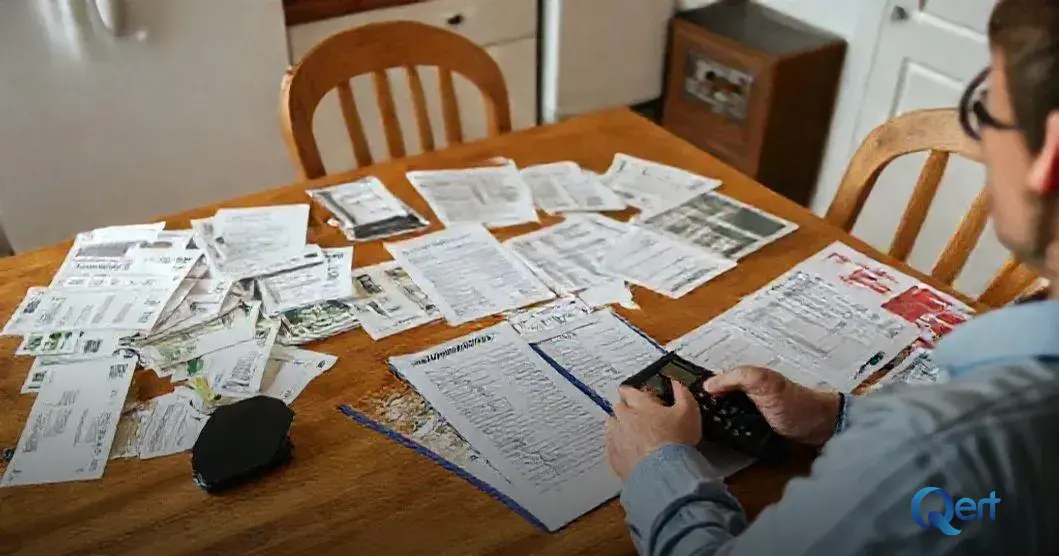
Cutting unnecessary subscription costs is a great way to boost your savings. Many people often forget about small monthly payments for services they no longer use. Start by reviewing your bank statements to find any recurring subscriptions. This simple step can help you identify where your money is going.
Once you know which subscriptions you have, ask yourself if you really need each one. Consider if you use that service regularly or if it just drains your budget. Canceling subscriptions for things like extra streaming services, gym memberships, or magazine subscriptions can free up cash for more important expenses.
Finally, if you find that you do need some subscriptions, look for discounts or bundles. Many companies offer family plans or promotional rates that can save you money. Always be on the lookout for ways to reduce your costs without losing the services you enjoy.
Tips for Saving on Utilities
Saving on utilities can significantly lower your monthly bills. One of the easiest ways to start is by being mindful of how you use electricity. Simple actions like turning off lights when you leave a room or unplugging devices when not in use can lead to noticeable savings. Consider switching to energy-efficient light bulbs, which use less electricity and last longer.
Another way to cut utility costs is by managing your thermostat settings. During the winter, setting your thermostat just a couple of degrees lower can reduce heating costs. In summer, keeping it a few degrees higher while using fans can keep your home comfortable without cranking up the air conditioning.
Finally, consider taking shorter showers and fixing any leaks in your faucets. These small changes can lead to lower water bills. You can also check if your utility provider offers any programs or discounts for energy-saving appliances. Taking advantage of these can contribute to greater savings over time.
Maximizing Discounts and Coupons
Maximizing discounts and coupons is a smart way to save money while shopping. Start by organizing coupons before you head to the store. Keep them in a dedicated folder or use a coupon app on your phone. This way, you can easily find the ones you need and never miss a chance to save on items you plan to buy.
Many stores offer loyalty programs that give members exclusive discounts and promotions. Signing up for these programs can lead to significant savings over time. Be sure to check your emails or the store’s app for special offers that can be combined with your coupons for even better deals.
Lastly, timing your shopping right can help you earn the most from discounts. Many stores have sales during specific times of the year or when they are clearing out outdated stock. Planning your shopping trips around these sales can help you scoop up great deals without spending a lot. Keep an eye out for “buy one get one” offers which can double your savings on everyday items.
Setting Up Automatic Savings Plans

Setting up automatic savings plans is a great way to build your savings without thinking about it. Most banks offer features that allow you to automatically transfer a set amount of money from your checking account to your savings account on a regular schedule. This means you can save consistently without needing to remember to do it each month.
Start by deciding how much money you want to save each month. It can be a small amount, like $10 or $50. Choose an amount that feels comfortable, so it doesn’t put a strain on your budget. Over time, these contributions will add up, helping you reach your savings goals more quickly.
Remember to review your automatic savings plan regularly. Check if you can increase the amount as your income grows or if your expenses change. Adjusting your plan can keep you on track and motivated. Setting up automatic savings makes saving money easy and helps you prepare for future expenses or emergencies.
Developing easy saving habits is important for anyone looking to improve their finances. One effective strategy is to track your spending to understand where your money goes each month. By keeping a close eye on your expenses, you can identify areas where you might be overspending and make adjustments.
Another helpful tip is to start saving small amounts regularly. You don’t need to save large sums at once. Instead, set aside a little money each week or after each paycheck. Over time, these small contributions can grow into significant savings. Try treating your savings like a bill that must be paid, ensuring you prioritize it.
Finally, look for ways to automate your savings. Many banks offer tools that help transfer a portion of your income into a savings account each month automatically. This makes saving hassle-free and ensures you consistently work towards your financial goals without even thinking about it.
Minimalist Home Decor Ideas inspire clean, functional spaces with simple designs, neutral tones, and intentional details that create a calm, stylish, and clutter-free home.